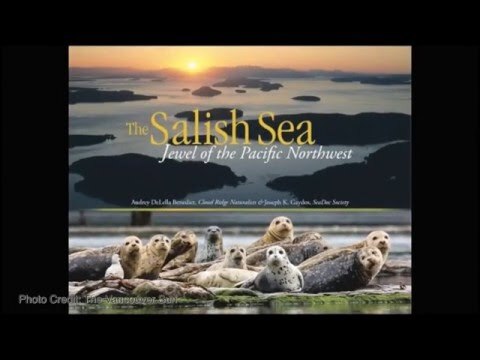
"This talk will introduce you to the Salish Sea Institute, the work we are doing, and discuss the importance of a transboundary perspective on the conservation of the Salish Sea."
Science director for SeaDoc Society, a marine conservation program, presents at the Western Washington University College of the Environment (previously Huxley) Speaker Series. Gaydos talks about impacts of human-caused changes on Salish Sea species and the importance of public awareness and education about the Salish Sea to address issues.
Chief Tsi'li'xw (Bill James) and Su'hun'up Hussmeen (Troy Olsen) of the Lummi nation present at the Northwest Indian College Salish Sea Speaker Series. They tell stories about the importance of the art of weaving with cedar and wool in the Coast Salish tradition and how the art is impacted by changing Salish Sea conditions.
Town Hall Seattle and publisher Braided River present a panel discussion about the multimedia book and campaign We Are Puget Sound: Discovering and Recovering the Salish Sea. Hear from contributors from the Squamish Tribe, Washington Environmental Council People for Puget Sound, Orca Recovery Task Force, and more.
Engineer Melina Scholefield and ecologist Steven Apfelbaum discuss what the ecology and nature of Vancouver B.C. parks and recreation spaces looks like now and what it might look like in the future.
The SeaDoc Society Science Director Joe Gaydos presents a trailer for Salish Sea Wild, a documentary series on the places, people, and marine wildlife of the Salish Sea. Episodes feature scientists and their work with Salish Sea wildlife.
Nancy Turner, an ethnobotanist and professor, presents at the Western Washington University College of the Environment (previously Huxley) Speaker Series. She talks about environmental change, incorporating Indigenous Environmental Knowledge systems into decision-making, and biocultural diversity.
Terrie Klinger, a professor and co-director of the Washington Ocean Acidification Center, presents at the Western Washington University College of the Environment (previously Huxley) Speaker Series. She talks about causes of ocean acidification, impact on marine and coastal communities, and recent science and policy actions.
Lynda Mapes talks about how she got to where she is and orca (killer) whales in the Salish Sea during her talk at the Western Washington University College of the Environment (previously Huxley) Speaker Series.
Valerie Segrest (Muckleshoot), a native nutrition educator and coordinator of Muckleshoot Food Sovereignty Project, presents about Coast Salish traditional food, food systems, and movements towards food sovereignty for cultures and health across Indian Country at the Western Washington University College of the Environment (previously Huxley) Speaker Series.
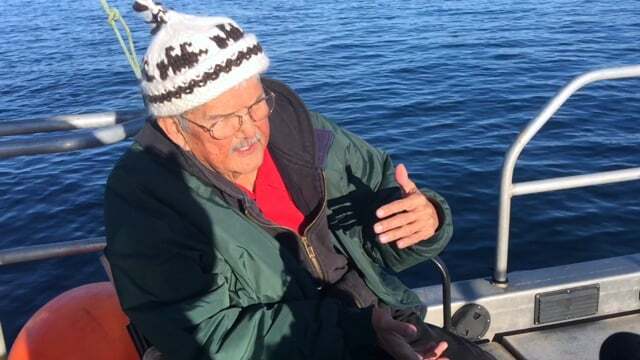
Lummi Elder and Fisherman Tim Ballew Sr. presents at the Northwest Indian College Salish Sea Speaker Series. He speaks about the meaning of being on the water and the experience of change across generations in connection with the water.
Swinomish Indian Tribal Community Tribal Historical Preservation Officer Larry Campbell (Swinomish) and Environmental Community Health Analyst Jamie Donatuto present at the Northwest Indian College Salish Sea Speaker Series. They talk about why Indigenous-specific health indicators, respected stewardship, community connections, and diet matter.
Reimagining the history of Bellingham Bay and North Puget Sound and how it is taught, presented by Anna Booker, WCC history instructor, and the "Bellingham Working Waterfront Project" and David Jepsen, co-author of Contested Boundaries: A New Pacific Northwest History.
Whatcom County Historical Society and Whatcom Museum host a presentation on the results from projects about experiential learning and storytelling for critical thinking. Booker discusses the Salish Sea Virtual Lab that supports experiential learning.
Western Washington University television show episode follows Bert Webber, who led the naming of the Salish Sea composed of the Puget Sound, Strait of Georgia, and Strait of Juan de Fuca. Webber explains that the name provides a greater understanding of the ecological and cultural roots of the region.
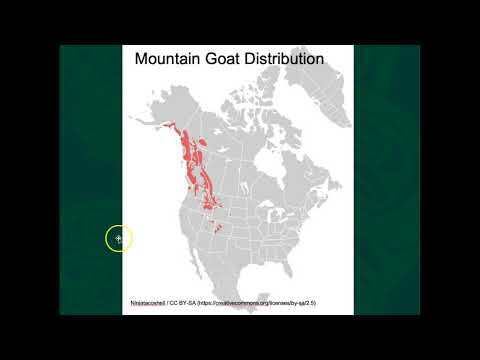
Marco Hatch (Samish) lectures about the mountain goat (Oreamnos americanus), which is native to the Salish Sea. He discusses characteristics, distribution, removal from Olympic National Park, and the role of wool for Coast Salish peoples.
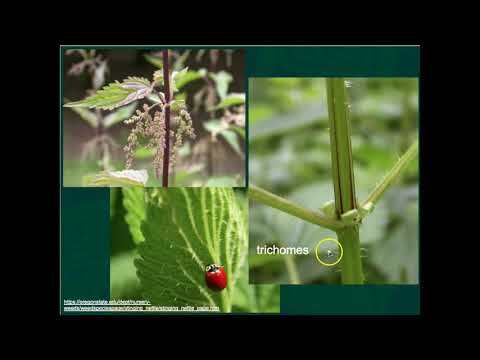
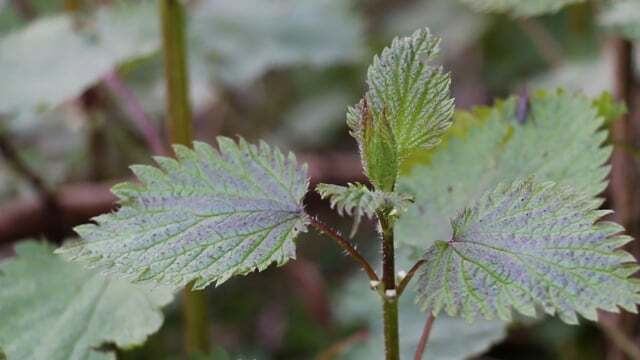
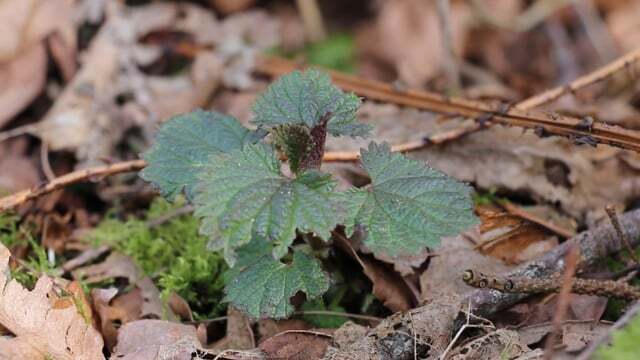
Marco Hatch (Samish) lectures about stinging nettle (Urtica diotca). He discusses nettle distribution, characteristics, and harvesting for nutritional and medicinal use.
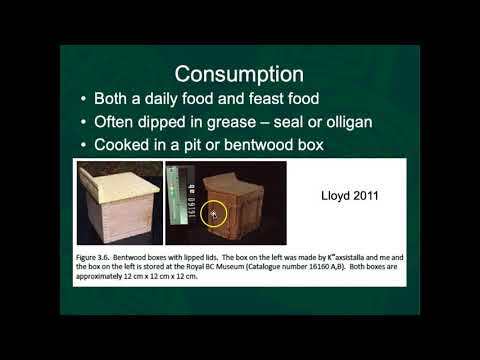
Marco Hatch (Samish) lectures about Pacific Silverweed (Argentina egedii). He discusses plant distribution, characteristics, consumption, nutrients, and relation to food-related Traditional Ecological Knowledge.
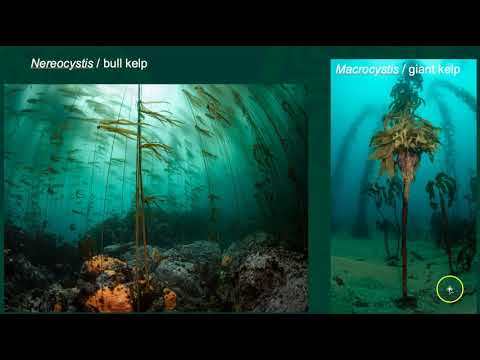
Marine ecologist Marco Hatch (Samish) lectures about kelp forests in the Salish Sea. He focuses on the characteristics, life stages, role, distribution, and restoration of two species: bull kelp (Nereocystis luetkeana) and giant kelp (Macrocystis pyrifera).
Clip about the archaeology of root gardens composed of Pacific Silverweed and Springbank Clover, which serve as traditional food sources for Indigenous peoples in the Salish Sea.
Longhouse Media presents a documentary about the Samish Legend of Ko-kwal-alwoot, who risked her life to save the Samish people from starvation. The film explains the story, its pole carving on Rosario Beach in Deception Pass State Park, and the importance of the history to the Samish people.
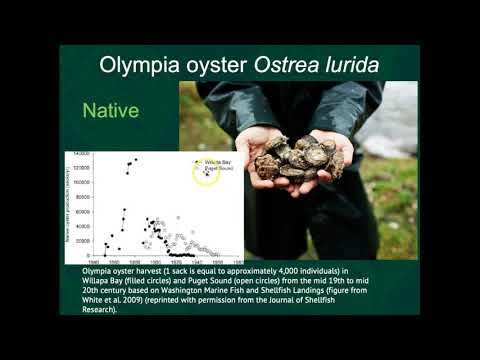
Marine ecologist Marco Hatch (Samish) lectures about shellfish and soft substrate intertidal zones. He discusses and compares the characteristics of the Varnish Clam, Olympia Oyster, Pacific Oyster, Manila Littleneck Clam, Native Littleneck Clam, Cockle Clam, Butter Clam, Horse Clam, and Geoduck.
Video by Northwest Straits Foundation and The Shore Friendly program shows how the geology and physical processes that form Puget Sound beaches impact those who live on them.
Documentary by Hakai Institute follows a team of archaeologists who are looking for evidence of humans in the Discovery Islands off Vancouver Island, British Columbia. The film focuses on understanding environmental change and adaptation after the ice age.
City of Bellingham presents a video covering the steps of cleaning wastewater at the Post Point Resource Recovery Plant starting from when it leaves a house to when it reaches Bellingham Bay.
Massachusetts Institute of Technology Architecture Lecture Series presents a Research Studio conversation about the empowerment of Indigenous Hawaiian Knowledge and the ecological devastation and racial injustices of U.S. settler colonialism. Hawai’i Non-Linear connects the lifestyle of Indigenous Knowledge to architecture.
Microsoft presents a video about the proposed collaboration between Seattle, Washington and Vancouver, British Columbia for a corridor for connectivity, productivity, and innovation.
Video of history professor Josh Cerretti leading a tour of downtown Bellingham, Washington, focused on the landmarks and history of colonial settlement on Indigenous Coast Salish land and water. The tour discusses Bellingham’s history of white supremacy and racism that continues today.
Informational video introducing students to the techniques involved in reading scholarly literature and extracting information quickly. It discusses reading through papers in three passes and questions to ask while reading.
Video workshop on how to identify peer reviewed scholarly articles, common sections in science and social science research, a note on humanities research, and reading strategies.
Peter Morin, a Tahltan Nation artist and curator, discusses the anthropological museum space, experience working with the Museum of Anthropology at UBC, the polemics of art institutions, the gallery space, racism and microaggression, Indigenous power in the museum space, and Tahltan knowledge.
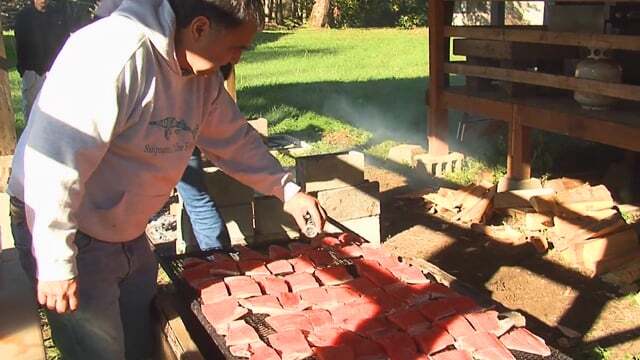
Video by the Northwest Indian College where Squamish Fisherman Rob Purser explains salmon preparation, salmon preparation, prayer, and salmon’s importance to the forests and streams.
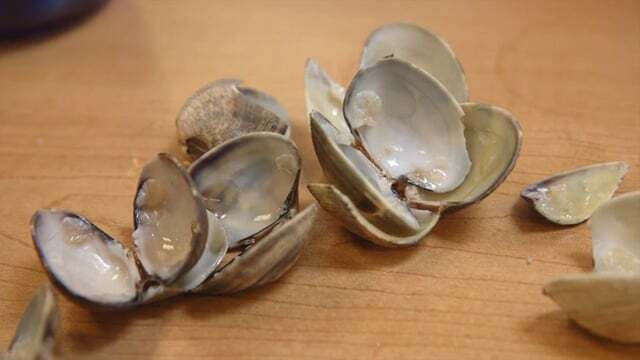
Video by Northwest Indian College where Muckleshoot Oral Historian George Warren King and Samish Tribal Member and Western Washington University Professor Dr. Marco Hatch explain clam preparation methods by Coast Salish people, biotoxins in clams, and clam shells’ ecosystem services.
Film by Longhouse Media and the Traditional Plants and Food Program where Elise Krohn, an herbalist and wild foods educator, discusses information about safe harvesting practices, where nettles grow, nutrients and health benefits.
Northwest Indian College Institute of Indigenous Foods and Traditions presents a traditional story told by storyteller Roger Fernandes (Lower Elwha) about a man’s dreams about the gathering of nettle to help his people.
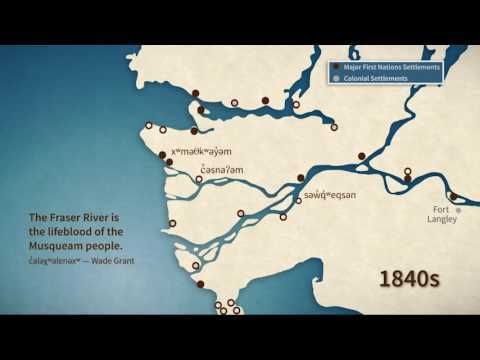
Museum of Anthropology at University of British Columbia video featuring Musqueam community members’ quotes alongside an animation of the Fraser River Delta’s development, major First Nations settlements, and colonial settlements from 9000 years ago to 2015.
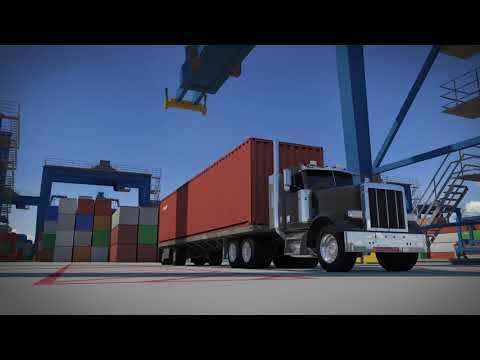
Port of Vancouver video overview of Roberts Bank Terminal 2 Project (RBT2) , a proposed marine container terminal at Roberts Bank in Delta, British Columbia with the goals for Canada meeting future trade objectives and environmental protection.
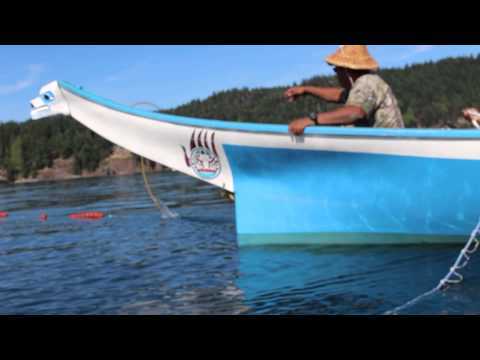
Short video of Nick Claxton (XEMŦOLTW̱), Tsawout community member and PhD. Candidate in UVic’s Department of Curriculum and Instruction, talking about W̱SÁNEĆ Nation reef net fishing traditional practices and revitalization. It discusses recognition of nationhood and the Douglas Treaty signed by the Saanich people in 1852.
Video from a series featuring Musqueam community members discussing issues of importance to them. It is about the Supreme Court of Canada R v. Sparrow [1990] decision as well as protection and violation of Aboriginal fishing rights.
Video featuring Marco Hatch, lead of the Coastal Communities and Ecology Lab at Western Washington University, discussing sea gardens on Quadra Island. The lab collaborates with Coast Salish tribes to research the mechanics of clam gardens and how to use sea garden technology to measure changing sea levels.
Blackcomb Helicopters' video documenting their sustainable carbon offsetting business model on Quadra Island. Their mission is to neutralize the emissions from their helicopters by permanently preserving the existing forests, encouraging other high-emission businesses to follow suit.
A video of a conversation with Debra Lekanoff, a Washington State Representative and member of the Tlingit Tribe, at Western Washington University. She discusses challenges, progress, and goals for the environmental health and climate of the Salish Sea and Washington State.
A video about the history, significance, and process of harvesting camas (c’abid in Lushootseed), explained and demonstrated by Angie Totus of the Puyallup Tribe.
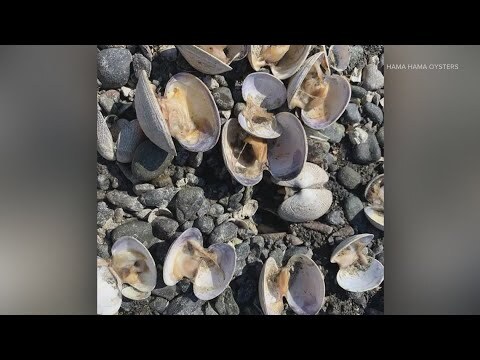
Video from King 5 News about the 2021 heat wave. High temperatures and low tides damaged shellfish populations and impacted Washington State’s shellfish industry.
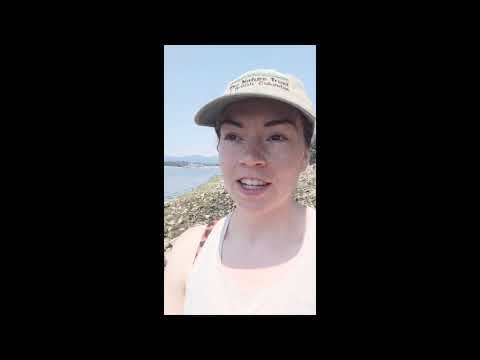
Video about the 2021 heat wave’s effect on intertidal creatures through the Strait of Georgia and the Salish Sea. Researcher from University of British Columbia’s Harley Lab collects data on living and dead mussels in Davis Bay.
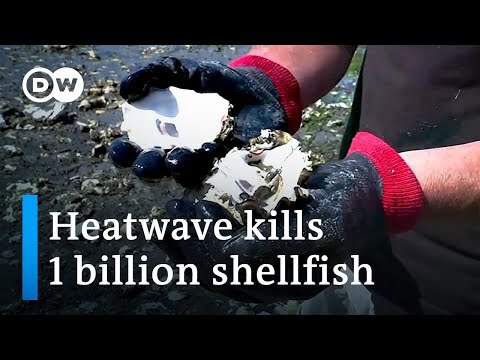
News video about the 2021 heat wave’s effect on British Columbia’s ecosystem. Up to one billion shellfish died, an example of climate change’s effects on agriculture and farming families.