Students use this resource to identify geographic features including hydrological features. During their visit to the site, students are encouraged to critically engage with the information shared on a Google map.
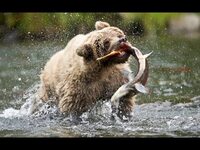
A keystone in an arch's crown secures the other stones in place. Keystone species play the same role in many ecological communities by maintaining the structure and integrity of the community.
Students use this resource to identify on whose traditional territories their chose site is located, which then guides their research about cultural significance of the site.
A PBS Nature episode investigating the decline of Pacific salmon in the Columbia River basin and the controversial role of hatcheries and laboratories in conservation. It examines how certain human interventions, such as artificial breeding, may be detrimental to their survival as a species.
A webpage by the Smithsonian Museum of the American Indian intended as an educator resource for teaching about Indigenous peoples. It has an overview of the terminology that has been used to describe Indigenous peoples and explains why using accurate terms is important.
An essay by historian Coll Thrush outlining the lifeways, oral traditions, culture, and history of the Lushootseed-speaking peoples of Puget Sound from pre-contact times into the 21st century.
Selected images from digital collections including works by early photographers of the region, plans by a prominent shipbuilder, curated topical exhibits, and images of key ethnographic, historic, and art objects.
A public research collection featuring over 200,000 historical photographs documenting the people, places, and industries of Whatcom County and the broader Pacific Northwest.